Source Snack Food Factory Grain Roaster for Nuts, Cocoa, and Seeds
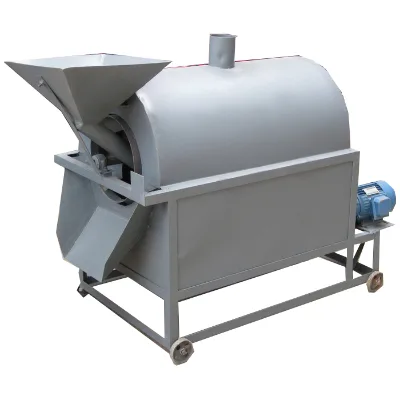
Find reliable snack food factory grain roaster options among 30 available listings. Compare stainless steel models with electric power, varying capacities from 50kg/h to 100kg, and automatic operation features to suit your production needs; compare the available evidence and request quotations based on your requirements.
Key considerations
Products List
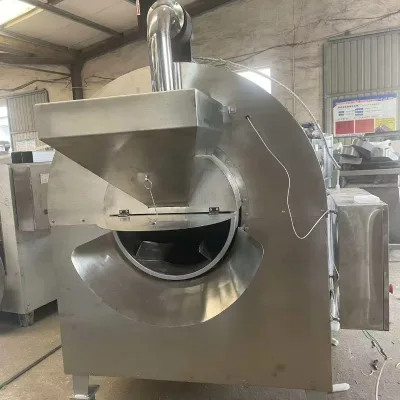
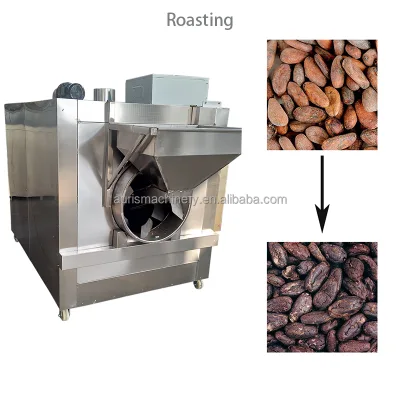


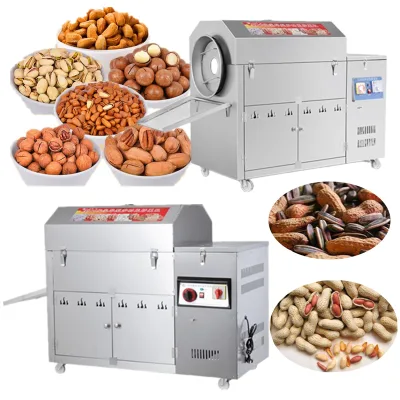


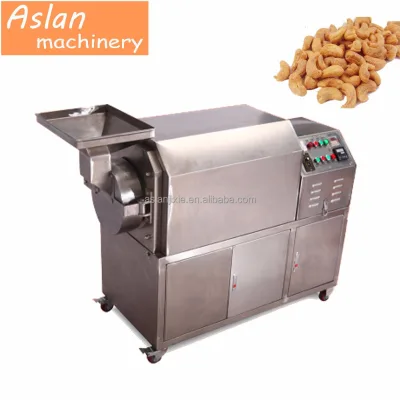


Comprehensive Sourcing Guide
Snack Food Factory Grain Roaster Sourcing Guide
Procuring a grain roaster for a snack food factory requires aligning machine capabilities with specific throughput needs and product quality standards. Buyers must evaluate whether the equipment supports continuous or batch processing, as this decision directly impacts labor costs and operational consistency. The core function of these machines is to roast nuts, cocoa beans, and soybeans, ensuring uniform heat distribution for optimal flavor development. Understanding the distinction between electric and gas heating methods is critical, as energy source availability and cost structures vary significantly by region.
Selection also depends on the desired output format, such as roasted peanuts or general grain products. Machines often feature automatic grades to minimize manual intervention, which enhances safety and reduces human error in high-volume environments. Buyers should verify if the roaster integrates seamlessly with upstream peeling or shelling equipment to create a cohesive production line. This integration ensures that raw materials are processed efficiently without bottlenecks, maintaining a steady flow from raw ingredient to finished snack product.
Product Scope and Observed Listing Signals
The market for snack food factory grain roasters presents a wide variance in pricing and specifications, reflecting diverse manufacturing capabilities. Observed listing signals indicate a price range from approximately $459 to $800,000, suggesting that buyers will encounter everything from small-scale benchtop units to large industrial systems. This broad spectrum necessitates careful filtering based on actual production volume requirements rather than assuming all listed machines are suitable for commercial factory environments. Lower-priced options may serve pilot testing or small-batch artisanal production, while higher-end models cater to high-capacity industrial demands.
Minimum order quantities (MOQ) for these machines are typically set at one set, allowing for flexible procurement for single-unit installations. However, buyers must scrutinize the listed machinery capacity, which ranges from 50kg/h to 100kg per batch, to ensure alignment with daily output goals. Some listings highlight specific advantages like easy operation and high efficiency, which are crucial for reducing training time and energy consumption. It is essential to verify if the observed capacity claims match the actual power consumption, such as 18kw or 24kw, to accurately calculate operational expenses.
Technical Specifications to Verify
Technical verification begins with confirming the material composition of the roasting chamber, where food-grade stainless steel 304 is a common standard for hygiene and durability. Buyers must ensure that all contact surfaces meet food safety regulations, as inferior materials can lead to contamination or rapid degradation under high heat. The voltage requirements also vary, with options including 110V, 220V, and 380V, or customized configurations to match local electrical infrastructure. Mismatched voltage specifications can result in equipment failure or safety hazards, making this a critical pre-purchase check.
Dimensional constraints and physical weight are equally important for factory layout planning. Machines may weigh between 350 and 500 kg, requiring adequate floor support and space for maintenance access. The heating method, whether electric or gas, dictates the installation requirements, including ventilation and gas line connections. Additionally, buyers should verify the core components, such as the engine or motor, as these drive the roasting mechanism and affect long-term reliability. Customization options for volume, such as 50L or 100L per batch, allow for tailored solutions but may extend lead times.
Compliance and Safety Documentation
Compliance documentation is non-negotiable for industrial equipment operating within food production facilities. Buyers must request certification marks, such as CE, which indicate adherence to European safety and environmental standards. These certifications provide assurance that the electrical systems, mechanical guards, and emergency stops meet rigorous regulatory requirements. Without proper certification, the equipment may not be insurable or compliant with local factory safety laws, leading to potential legal liabilities and operational shutdowns.
Beyond certifications, machinery test reports should be provided to verify performance under load. These reports offer objective data on heating consistency, temperature control accuracy, and energy efficiency. Buyers should also confirm the availability of detailed operation manuals and maintenance schedules to ensure safe daily use. Proper documentation helps in training staff on correct procedures, reducing the risk of accidents or product quality issues. Ensuring that all safety interlocks and monitoring systems are documented and functional is essential for a compliant and safe working environment.
Cost Drivers and Commercial Terms
Several factors influence the total cost of ownership beyond the initial purchase price. The power source, whether electric or gas, along with the rated power consumption, directly impacts ongoing utility bills. High-efficiency models may have a higher upfront cost but offer significant savings over time through reduced energy usage. Buyers should also consider the warranty terms, typically one year, which covers core components like the motor or engine. A robust warranty reduces financial risk and ensures support for critical repairs during the initial operational phase.
Packaging and logistics costs are significant for heavy machinery, often requiring wooden cases for safe transport. These costs vary based on the machine's dimensions and weight, as well as the destination port. Buyers must clarify whether shipping terms include insurance and handling fees to avoid unexpected expenses. Additionally, customization options, such as specific voltages or capacities, may incur additional charges. Understanding these commercial terms helps in creating an accurate budget and prevents surprises during the delivery and installation phases.
Supplier Qualification and Quality Control
Supplier qualification is vital to ensure the reliability and longevity of the grain roaster. Buyers should verify the supplier's manufacturing capabilities, including their experience in producing food-grade equipment. Factories located in regions like Henan, China, often have established supply chains for stainless steel and mechanical components. However, buyers must assess the supplier's quality control processes to ensure consistent product standards. Requesting references or case studies from other snack food factories can provide insight into the supplier's reputation and service quality.
Quality control extends to the pre-shipment inspection of the machine. Buyers should confirm that the supplier provides a machinery test report before dispatch. This report should detail the results of performance tests, including heating uniformity and motor stability. Additionally, verifying the automatic grade and customization capabilities ensures the machine meets specific operational needs. Engaging with suppliers who offer comprehensive support, including installation guidance and troubleshooting, enhances the overall procurement experience and reduces downtime during commissioning.
Long-Term Procurement Checks
Long-term procurement success depends on the availability of spare parts and technical support. Buyers should inquire about the supply chain for critical components like motors, engines, and heating elements. Ensuring that spare parts are readily available minimizes production downtime in case of unexpected failures. Suppliers who offer ongoing technical assistance and remote troubleshooting capabilities provide added value, especially for complex automated systems. This support is crucial for maintaining optimal performance and extending the machine's operational lifespan.
Regular maintenance is essential for preserving the quality of roasted products and the efficiency of the roaster. Buyers must establish a maintenance schedule that includes cleaning the stainless steel surfaces and inspecting electrical connections. Proper care of the heating elements and motors ensures consistent roasting results and prevents energy waste. Additionally, staying updated on any software or control system upgrades can enhance operational efficiency. By prioritizing long-term support and maintenance, snack food factories can maximize the return on their investment in grain roasting equipment.
FAQs
What is the typical capacity of a snack food factory grain roaster?
The machinery capacity typically ranges from 50kg to 500kg per hour, depending on the specific model selected. This allows snack food factories to scale production efficiently. Some units offer batch volumes of 50L or 100L, ensuring flexibility for various roasting requirements and throughput needs in commercial settings.
Can a snack food factory grain roaster handle different types of nuts?
Yes, these roasters are designed to process raw materials such as peanuts, soybeans, and cocoa beans. The equipment supports functions like peanut roasting and general grain roasting. This versatility makes it suitable for diverse snack food factory applications, allowing manufacturers to roast multiple product types on the same line.
What material is used to construct a snack food factory grain roaster?
The roaster is primarily constructed from Food Grade Stainless Steel 304 or SUS304. This material ensures hygiene and durability for food processing. Some models may also utilize SUS201 or carbon steel components. The use of high-quality stainless steel meets safety standards for direct contact with food products in industrial environments.
What certifications are available for snack food factory grain roaster machines?
Many snack food factory grain roaster machines come with CE certification, ensuring compliance with European safety standards. Additionally, machinery test reports are often provided to verify performance. These certifications help manufacturers meet regulatory requirements and ensure the equipment operates safely and efficiently within their production facilities.
How is the power supply configured for a snack food factory grain roaster?
The roaster typically operates on electric power with voltages of 110V, 220V, or 380V. Customized voltage options are available to match local electrical standards. The power consumption can range from 18kw to 24kw, depending on the heating method and model. This flexibility ensures compatibility with various factory power infrastructures.
What is the minimum order quantity for a snack food factory grain roaster?
The minimum order quantity is usually one set or one unit. This low MOQ allows snack food factories to purchase individual machines for testing or small-scale production. It reduces initial investment risks and enables businesses to acquire the necessary equipment without committing to large bulk orders upfront.